
So much for a real recipe from Cindalou's here in the recent past, but since you're already primed for a whole host of non-recipes, I'll use this chance to combat my swamped-at-work-can't-post hysteria with a "recipe" for a healthy dressing or sauce. Of course everyone knows how to whip up (or at least purchase) tahini nowadays, so I'll bore you with more health benefits and history than an actual Tablespoon per tablespoon recipe :) Yes, I still cook. All the time. Cindalou's has taken a back seat to thank you notes, family visits, and our flourishing (and crowded) apartment garden. So how's that for yet another disclaimer/introduction? If you find my intro less than satisfactory, then I recommend Karina's new Strawberry Cobbler post. You'll smile (and lick the computer screen).
Sesame seeds and tahini are quick and easy snacks and make a handy homemade dressing. The seeds themselves claim the honorable position of being one of the oldest condiments and their use seems to be traced back as far as 1600 BC. The seeds are a great source of many trace minerals and Omega 6 fatty acids. Indeed, the seeds were held in high esteem for the quality of the oil which is exceptionally resistant to rancidity and spoilage. One interesting fact: the phrase "Open sesame" stems from the sesame seed pod itself, which bursts open when it reaches maturity.
Sesame seeds and tahini are quick and easy snacks and make a handy homemade dressing. The seeds themselves claim the honorable position of being one of the oldest condiments and their use seems to be traced back as far as 1600 BC. The seeds are a great source of many trace minerals and Omega 6 fatty acids. Indeed, the seeds were held in high esteem for the quality of the oil which is exceptionally resistant to rancidity and spoilage. One interesting fact: the phrase "Open sesame" stems from the sesame seed pod itself, which bursts open when it reaches maturity.

Tahini dressing:
1/4 c. raw, organic sesame seeds (I use unhulled since they're cheaper here and the hulls contain much of the calcium in the seeds) OR organic tahini (Once Again has a good organic tahini on the market)
1-2 t. sea salt, more to taste
1 t. or "dash" of San-J wheat free tamari (optional, omit for soy free)
4 liberal T. organic extra virgin olive oil*
squeeze lemon juice
Combine the sesame seeds and the salt in the bottom of the Vitamix or your blender. You will probably want to use the dry blade attachment for the Vitamix if you have one. In my experience, the dry-blade purees the seeds better than the regular container. If you only have a normal blender, no worries, but you may need to puree the seeds in spurts (to prevent regular blender overheating) to get them all creamed up. If you 're using jarred tahini, just skip this step.
It only takes about 1 -2 minutes for me to make this batch. I grind the seeds in 30 second intervals, but I take a minute to take the top off and scrape the sides of the blender to mix in the stubborn seeds. Once the seeds are pureed "dry," add the sea salt, olive oil, lemon juice, and tamari (if you're using the San-J). If you want to add a dash of turmeric (a great detoxifier and antioxidant), parsley (high in iron), or rosemary, add it now. Close the lid and blend once more until well mixed. Scrape the sides and pour into your dipping bowl or drizzle over your entree or salad, like below.
I made my sauce here with a bit more olive oil and lemon juice than above in order to achieve a more fluid sauce to dress our grilled salmon and salad. Just adjust the olive oil to seed ratio to vary the consistency between a thick tahini chip/ raw veggie dip and a dressing (like we used it).
* Add more olive oil to taste, I tend to add more olive oil to my share of the dressing since my body burns good fat efficiently (sugars and high carby foods kill my poor digestive system, so to each his own. Check your body type and eat what is fresh, local, and makes you feel best. Perhaps most importantly, trust your instincts... no, that doesn't mean reach for that bag of salted corn chips since you just like the taste!)
Comp.jpg)
Tahini Uses:

Tahini Dressed Simple Spinach Salad
Comp.jpg)
Tahini Glazed Salmon
Be warned, however, that sesame seeds can be allergenic to some. Those of us with Celiac or gluten intolerance seem to garner the blessing of having multiple trigger foods (at least while the intestines are still healing). The other disclaimer for sesame seeds involves their oxalate content. Oxalates in the hull of the seed are generally bound in calcium oxalate and some doctors believe that they can aggravate kidney conditions, leading to kidney stones. The verdict is still out on this matter, since dietary intake of oxalates like those found in sesame seed hulls only amount to about 15% of the oxalate in calcium oxalate stones. The general wisdom among experts is, according to WHF,
A balance must be struck in diet just like everywhere in life, but natural and organic tahini is a great and far superior source of Omega 6's as compared with many popular vegetable oils touted for their "healthy mono and polyunsaturated fat content." The problem with many vegetable oils, as I've talked about from time to time, is that virtually all of them except commercial extra virgin olive oil are refined, bleached, or deodorized. These processes damage the unsaturated fat in the oil since the less saturated the oil, the more it is vulnerable to heat, light, and processing damage. So although you think or read the hype about soybean (a particularly poor oil choice), corn, canola, and even sunflower or safflower oils being "healthy," your oil is likely already rancid or damaged. Damaged oil wrecks havoc on our bodies as toxins, but no more about that here. I sound brooding and hell-bent on bringing down the vegetable oil market. If anyone's interested in more details about these fats and oils and the commercial propaganda surrounding them, please comment and let me know. I can expand on the subject and/or point you to fantastic references. It is always best to keep it simple. We use extra virgin olive oil (no heat - dressing and marinades only) and organic virgin coconut oil (for any heat or cooking) exclusively; you can't find another oil in our house except the fat stored in nuts :) This cuts down on buying multiple kinds of different oils and actually saves money and time at the store. It is my advice and practice. If you can do dairy and aren't quite thrilled about coconut oil, another good alternative is full-fat REAL butter, especially grass fed goat or cow butter. The saturated fats are what you need for heat and cooking since they are not destroyed by heat and light, (as opposed to margarine, vegetable (and olive) oils, and reduced or fat free products.) If only we could see our insides, then we'd all be a lot more picky about what we eat and how we prepare it. :)
Comp.jpg)

1/4 c. raw, organic sesame seeds (I use unhulled since they're cheaper here and the hulls contain much of the calcium in the seeds) OR organic tahini (Once Again has a good organic tahini on the market)
1-2 t. sea salt, more to taste
1 t. or "dash" of San-J wheat free tamari (optional, omit for soy free)
4 liberal T. organic extra virgin olive oil*
squeeze lemon juice
Combine the sesame seeds and the salt in the bottom of the Vitamix or your blender. You will probably want to use the dry blade attachment for the Vitamix if you have one. In my experience, the dry-blade purees the seeds better than the regular container. If you only have a normal blender, no worries, but you may need to puree the seeds in spurts (to prevent regular blender overheating) to get them all creamed up. If you 're using jarred tahini, just skip this step.
It only takes about 1 -2 minutes for me to make this batch. I grind the seeds in 30 second intervals, but I take a minute to take the top off and scrape the sides of the blender to mix in the stubborn seeds. Once the seeds are pureed "dry," add the sea salt, olive oil, lemon juice, and tamari (if you're using the San-J). If you want to add a dash of turmeric (a great detoxifier and antioxidant), parsley (high in iron), or rosemary, add it now. Close the lid and blend once more until well mixed. Scrape the sides and pour into your dipping bowl or drizzle over your entree or salad, like below.
I made my sauce here with a bit more olive oil and lemon juice than above in order to achieve a more fluid sauce to dress our grilled salmon and salad. Just adjust the olive oil to seed ratio to vary the consistency between a thick tahini chip/ raw veggie dip and a dressing (like we used it).
* Add more olive oil to taste, I tend to add more olive oil to my share of the dressing since my body burns good fat efficiently (sugars and high carby foods kill my poor digestive system, so to each his own. Check your body type and eat what is fresh, local, and makes you feel best. Perhaps most importantly, trust your instincts... no, that doesn't mean reach for that bag of salted corn chips since you just like the taste!)
Comp.jpg)
Tahini Uses:
- Tahini sauced mushrooms
- Salad dressing (of course)
Tahini Dressed Simple Spinach Salad
- grilled wild salmon fillet dressing. I have a few old fish recipes here and the tahini sauce would be great drizzled over some Molasses Balsamic Salmon
Comp.jpg)
Tahini Glazed Salmon
- Stir fry dressing/sauce
- Dress up your veggies! Jon likes honey sesame green beans or broccoli
- homemade raw (Vegan) food bars
- toss into any bread, cookie, or muffin/pancake recipe
Be warned, however, that sesame seeds can be allergenic to some. Those of us with Celiac or gluten intolerance seem to garner the blessing of having multiple trigger foods (at least while the intestines are still healing). The other disclaimer for sesame seeds involves their oxalate content. Oxalates in the hull of the seed are generally bound in calcium oxalate and some doctors believe that they can aggravate kidney conditions, leading to kidney stones. The verdict is still out on this matter, since dietary intake of oxalates like those found in sesame seed hulls only amount to about 15% of the oxalate in calcium oxalate stones. The general wisdom among experts is, according to WHF,
"that dietary restriction cannot significantly reduce risk of stone formation".In addition, oxalates are naturally present in a full spectrum of fruits and vegetables are normally present no issues with stone formation. Just to be on the safe side, buy the hulled sesame seeds or lightly colored jarred tahini since these varieties have the hull (and thus the calcium oxalate) removed. Of course when you remove the hull you lose nutrition, but a compromise can be struck if you are worried about kidney stones. More interesting stuff on oxalates is here at World's Healthiest Foods.
A balance must be struck in diet just like everywhere in life, but natural and organic tahini is a great and far superior source of Omega 6's as compared with many popular vegetable oils touted for their "healthy mono and polyunsaturated fat content." The problem with many vegetable oils, as I've talked about from time to time, is that virtually all of them except commercial extra virgin olive oil are refined, bleached, or deodorized. These processes damage the unsaturated fat in the oil since the less saturated the oil, the more it is vulnerable to heat, light, and processing damage. So although you think or read the hype about soybean (a particularly poor oil choice), corn, canola, and even sunflower or safflower oils being "healthy," your oil is likely already rancid or damaged. Damaged oil wrecks havoc on our bodies as toxins, but no more about that here. I sound brooding and hell-bent on bringing down the vegetable oil market. If anyone's interested in more details about these fats and oils and the commercial propaganda surrounding them, please comment and let me know. I can expand on the subject and/or point you to fantastic references. It is always best to keep it simple. We use extra virgin olive oil (no heat - dressing and marinades only) and organic virgin coconut oil (for any heat or cooking) exclusively; you can't find another oil in our house except the fat stored in nuts :) This cuts down on buying multiple kinds of different oils and actually saves money and time at the store. It is my advice and practice. If you can do dairy and aren't quite thrilled about coconut oil, another good alternative is full-fat REAL butter, especially grass fed goat or cow butter. The saturated fats are what you need for heat and cooking since they are not destroyed by heat and light, (as opposed to margarine, vegetable (and olive) oils, and reduced or fat free products.) If only we could see our insides, then we'd all be a lot more picky about what we eat and how we prepare it. :)
Comp.jpg)


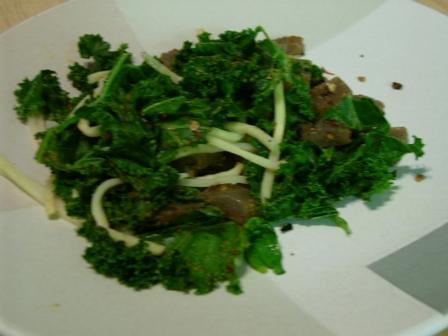



 sells for $1.49/bag (2 servings) at Whole Foods and I also use soy-free plain old


