Tampilkan postingan dengan label Dinner. Tampilkan semua postingan

Rabu, 16 Februari 2011

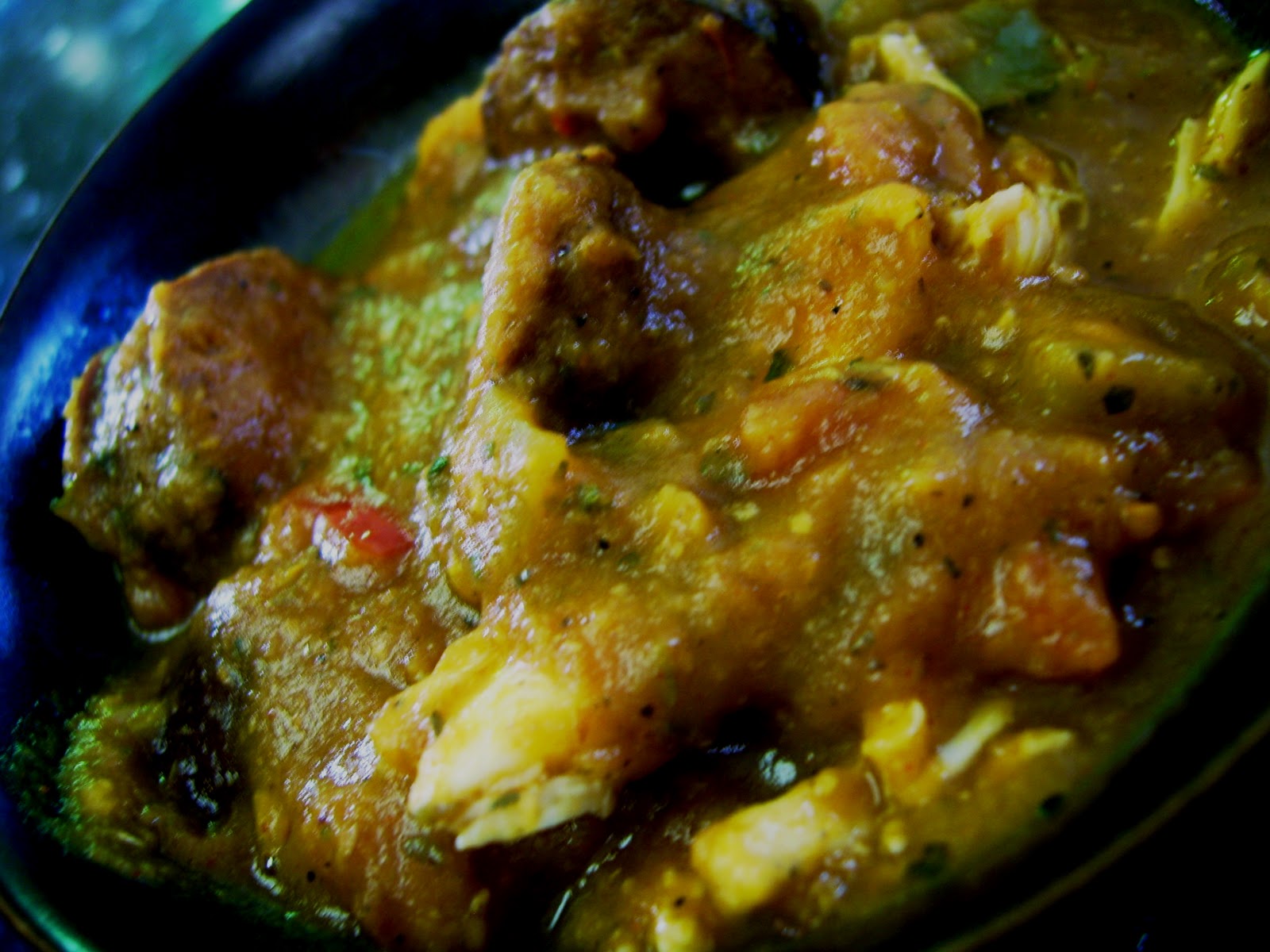
Mexican Pumpkin and Turkey Sausage and Shredded Chicken Stew [Low Carb][Paleo]

Cindalou's is hitting the road (hoping it isn't still iced over on our killer mountain driveway!) with a spicy low carb stew to warm even the coldest of frozen toes and fingers. It's Mexican theme at girls' night this weekend and I wanted to bring something with a little variety. For a small handful of ladies, there are enough Mexican dishes already there to feed a small Army... or a large one. All the classic Mex entrees and sides are already taken- beans, guacamole, taco salad, chalupas, quesadillas, flan, dips, and chips galore! I thought something a little different would be nice. Well, that and the fact that the hubby just bought a case of organic canned plain pumpkin from an Amazon deal last month! That's a whole lotta pumpkin for two. My stew is a variation on a common Tex-Mex pumpkin chowder, but I omit the high glycemic corn and use low carb substitutes with much more nutrition.


As you recall, pumpkin is a great low carb winter "superfood," packed with Vitamin A, C, E, magnesium, iron, and a host of other minerals. One common mistake: be sure to use the plain pumpkin, not the pumpkin pie mix!

Cilantro is a fantastic herb for detoxing the body of heavy metals. It is also a great source of B vitamins, zinc, and selenium as well as a host of other vitamins and minerals. In general, dried herbs are nutritionally dense foods, though potency of certain nutrients can be lost in the drying process.

Tomatoes and salsa provide more Vitamins A and C (better than oranges, plus less sugar), and the organic coconut milk and virgin oil provide brain nourishing and metabolism boosting medium chain good fats (the MCTs). Don't fear the coconut fat, it is burned as fuel for and repairing the body, not stored like longer chain polyunsaturated fats (bad fats like soybean, corn, and peanut oils to name a few). Vitamins A, C, E and the B assortment help strengthen your immunity in these blistery wintery days. Don't reach for a pill or softgel for health either- your body knows how to assimilate and nurture itself with vitamins and minerals from real food. Those supplements have their place but shouldn't replace basic real food... hey, you can always start with a big dollop of my warm spiced up stew! :)

Note: The turkey sausage is optional for vegetarians or vegans. For a non-Paleo ("Caveman") version add black beans. I just had a pack of gluten free Andoullie turkey sausages on hand and I wanted to combine the ideas of a typical Mexican pumpkin soup with a Brunswick stew. (Brunswick stew is out for us kosher southerners who don't do pork).


2 15 oz cans organic pumpkin (not pie mix)
1 15 oz can organic coconut milk
3/4 c water (or low sodium free range organic chicken broth- adjust for your consistency preference)
1 15 oz can Rotel tomatoes, Mexican Style Lime and Cilantro OR 1 15 oz can organic fire roasted tomatoes with green chilies (undrained)
1 7 oz can green chilies, drained
1/2 c. hot salsa (Kroger brand is gluten free according to the last list

1 T. organic virgin coconut oil
1 package Andoullie turkey sausage (I used Garrett Farms brand gluten and antibiotic free sausages)
2 large boneless, skinless chicken breasts, shredded before serving (see below)
lime juice, to taste (I usede about 1/4 c)
stevia glycerite,~ 1 T.
1 tsp organic unsulfured blackstrap molasses (great vegan source of iron and B vitamins), optional


spices:
cilantro, ~ 2 tsp
sea salt and pepper, dash each
cumin, ~ 2 tsp
cumin seed, pinch of whole seed braised with pestle and mortar
oregano, ~ 2 tsp
thyme, ~ 1 tsp
Badia curry powder (it is gluten free, I asked the company and posted the reply on Celiac Forums at the end of the thread), ~ 1 T.

garlic powder and onion powder, ~ 1 tsp each
turmeric, ~ 1 tsp
parsley, ~ 1 tsp
paprika and cayenne pepper, ~ 1 tsp each
pinch crushed red pepper flakes (for color)


optional: 1 Reynold's slow cooker liner (makes for easy clean up)*

Preparation:
Line your slow cooker with the liner if you choose to use it.* Add the coconut oil and turn to high to melt the oil and swash it around the bottom (you can also spray the cooker or liner). Add the chicken breasts to the bottom. Add the pumpkin, undrained Rotel or fire roasted tomatoes, and coconut milk. You may wish to thin the stew with either water or organic free range chicken broth. Stir to mix well, though leave the chicken on the bottom. Cook on high for 3 hours. Check the chicken breasts with a fork and shred them a bit into large shreds if you can (to preserve the texture). My breasts were still a bit raw so I did most of my shredding at the end.


Since the sausages are already precooked and I didn't want them to get mushy, I decided to wait to add them until after the chicken had cooked a bit. The sausages can be sliced into bite sized pieces now and added to the stew. Or if you prefer, the whole sausages can be fished out at the end and sliced, though that method is a bit messy. Add the rest of the ingredients: broth or water, the drained green chilies, spices, lime juice, and salsa. Stir well. Cook on low for another 3-4 hours or until chicken is fork tender and shreds easily. Adjust the lime juice and cayenne to suit your taste. You can always cook it all on high for a shorter time as long as the chicken is well cooked. Since I have the time I wanted to let the spices and flavors simmer on low for the last few hours and "marinate" rather than just throw it all in on high for shorter.

Alternative Method (The Quickie): Throw it all in and cook on low for 6 hours or until chicken is fork tender and shreds easily.

Shred the chicken (and slice sausages if not done previously) before serving. This goes great with some guacamole or avocado and a dollop of (nondairy) sour cream (I would use my homemade coconut milk or cultured (fermented) soymilk 'yogurt'). Garnish with fresh chopped cilantro and dig in!

While this stew has a nice spice to it, feel free to experiment with spice amounts. I prefer things fiery myself :) Don't forget cayenne pepper and those healthy coconut MCTs help reduce inflammation and rev up that sluggish winter metabolism, while pumpkin and tomatoes give a low carb and low glycemic vitamin and mineral punch. Keeping up your immunity naturally and holistically with healing, warming foods and proper exercise helps balance the body. Now go run in place as hard as you can for 1 minute- burst train and stretch those lungs and achy legs! Whew, now I'm all warm and toasty!

Other add ins that would be nice are 1 c. chopped white onion and diced tri bell peppers like a frozen mix of veggies and chunks of celery and torn bits of kale. I didn't have any on hand at the time though, what a shame to miss kale!!

Note: This was not spicy enough for my taste, but a T. or so more cayenne would help.


*Note on the slow cooker liner: It does not give material but I can tell it is some form of plastic which has been apparently "approved" as food grade. I am skeptical about the liner (as well as the ceramic Crockpot) leaching into the food (acids and fats tend to degrade plastics and break them down into possibly toxic by-products like dioxins and PCBs). However since I am traveling with this whole shebang, I wanted a quick and cleaner way to transport this stew. Yes, even Cindalou up on her health soapbox chose convenience :)

Cindalou's Kitchen Blues: Healthy Celiac / Coeliac Gluten and Dairy Free Recipes

Rabu, 08 Oktober 2008

Tri-pepper Chicken Veggie Chowder


It's getting a little more chilly and rainy here as fall finally dons her hat, so I thought I'd share my excuse for a soup that is really chunky chili stew for the occasion. We made this soup awhile ago actually, but I'm behind on blogging here at Cindalou's due to much excitement and distraction in the "real" world. The bank bailouts and election coverage in the media are more intriguing than pepper stew, but they certainly lack the Vitamins A and C and healing capsaicin that the peppers pack. Capsicum is a collection of compounds found in chili peppers with amazing pain-reducing abilities when taking both internally and externally (with caution). There has been recent hype concerning the age-old capsicum and cayenne, also a source of the compounds, for use in arthritis creams and other topical aches and pains. Other benefits of capsicum include better digestion, ulcer treatment, a slight metabolism boost for weight loss, and some gentle pain relief. Personally, I'd rather eat a spicy stew than take a pill or use an external cream, though Jon swears the stew is what causes his pain ("mouth fire") :)

Late summer brings us the last of the pepper harvest around here, so drag out your slowcooker and stuff it full of some hot peppers and seasonal fall produce, or sit back to watch the fireworks on CNN. Hey, as bad as your lips and tongue sting at the spice (which is actually releasing aspirin-like compounds called salycilates and endorphins inside your body during digestion to relieve the pain), that spice is not as bad as the rhetoric on the economy. (Oh, and the white pepper innards hold the spice, not the seeds, so watch out!) Don't blame me for loving spice: I'm related to the Scovilles, though not the namesake of the Scoville pepper rating scale.


photo courtesy of squidoo hot sauce blog

3 large organic carrots
4 jalapeños, whole
1 habanero, whole (optional)
1 fresh, large, green banana pepper
1 red cherry pepper
1/2 green wax pepper
6 cloves fresh garlic
4 large whole thawed boneless skinless chicken breasts (about 1.5 lbs)
2 ears fresh corn, sliced off ear OR 2/3 lb. frozen corn kernels
2-3 sundried tomatoes
1/2 can large black olives, drained
1 28 oz can organic crushed tomatoes
1 large onion
2 c. low sodium gluten free chicken broth (We use Imagine*)
~12 c. water (enough to cover the chicken breasts in your slow cooker, we have a large Crockpot)
~1/4 c. extra virgin olive oil (to taste)
1 7 oz. can fire roasted diced green chilies

Seasonings:
rosemary
garlic powder
sea salt and pepper
dash cayenne pepper (optional but highly recommended for optimal health whallop)
dash crushed red pepper flakes
parsley

Optional add ins (if you have on hand):
1/2 bag (5 oz) of fresh, washed organic baby spinach or other dark greens
2 stalks organic celery, washed

First, wash and pat dry all of the peppers, celery, and greens. I minced about half the garlic and reserved the rest of the whole cloves for the soup. Slice the peppers (wear a glove if you're sensitive to the oil) to your liking and set aside. I finely chopped my jalapeños, but roughly sliced the longer wax and banana peppers and quartered the cherry peppers. The habanero I leave whole in the soup for the "winner" (around here, that's me since Jon's terrified of it). If you do choose to chop up the habanero, be aware that your soup spice level will go through the roof as the oils disperse in the broth. Don't fret about all the different varieties of peppers, substitute ones you like. Note that sweet bell peppers will not have the capasicin-loaded benefits, but they are still excellent sources of Vitamin C (especially eaten raw).

Drizzle the olive oil into the slowercooker and place the washed chicken breasts in the bottom of the slowcooker. I chose to slice the corn off the cob and add the kernels directly to the Crockpot. Chop the carrots and celery and add to the pot as well. If you're adding any heavy greens like mustards or kale, chop and add them now as well. Either add whole sundried tomatoes, or chop them with kitchen shears and add to the pot. Add in all of your seasonings, broth, and water.

If you're using a Crockpot, make sure your's is large enough for all of the liquid. Cook the soup on high for 2-3 hours or on low for 5-7 hours - whichever timing fits your schedule best. Serve hot with a garnish of avocado wedges and a squeeze of lime. If you have fresh basil available, some chopped basil would be wonderful sprinkled on top right before serving.

* Imagine broths and soups are kosher, gluten and dairy free (depending on type). They are also non-GMO (not genetically modified). I buy the low sodium versions of the vegetable and free-range chicken broths.

A Brief (Incomplete) Synopsis of capsicum benefits:
  • pain-reliever for aliments such as arthritis and shingles
  • metabolism booster for weight loss
  • aids indigestion and helps heal the inner mucosal membranes in digestive track
  • kills bacteria in the stomach which can cause ulcers
  • helps lower blood cholesterol and triglycerides
  • can help kill cancer: studies show it can induce apoptosis (death) of cancer cells in the prostate, lungs, gastrointestinal track, and leukemic cancers among others
A neat summary of peppers on the How
Stuff Works website


Cindalou's Kitchen Blues: Healthy Celiac / Coeliac Gluten and Dairy Free Recipes

Senin, 25 Agustus 2008

Gazpacho Fish with Avocado Salsa [Low Carb] [Low Glycemic Index]

Food Blog FishingDive into the August/September Edition of Chef Jeena's Seafood and Fish Recipe Roundup! We love fish here at Cindalou's where wild salmon is a frequent visitor of our kitchen table, but I thought I'd share a simple, summery white fish recipe this time. Of course wild salmon (not farmed), mackerel, and other fish are much higher in healthy Omega 3 fatty acids like EPA and DHA, but summer is a great chance to enjoy a lighter, flakier white fish like whiting, wild cod, or wild sea bass (among others). Throw in some of that abundant summer produce like fresh tomatoes, herbs, and ripe avocados and you have a balanced refreshing way to add more high quality protein to "gazpacho." While Omega 3's from oily fish are vital for health, whiting offers fewer of these good fats but a nice forkful of B12, selenium, and phosphorus instead! Whiting is a relative of the cod, so substitute your favorite wild white fish if you can't afford wild whiting (it is cheapest in the frozen section of the grocery store). Note: if you eat kosher fish, many cod fish like freshwater cod are not kosher. Whiting, or silver hake, is a relative of the kosher family Gadidae fish (cod) and a few other varieties.

Healthy Gazpacho White Fish Recipe

~1/4 c. organic red wine vinegar
squeeze lime or lemon juice
4 fillets wild caught fish of choice, I used whiting
2 ripe avocados
2 hot peppers (jalapeños) with seeds
2 thick slices red onion (garnish)
6-10 garlic cloves
1/2" fresh ginger root
5-6 fresh roma tomatoes
1 artichoke heart (15 oz canned), in quarters (drained if canned)
1 28 oz. can organic crushed tomatoes with basil (preferably Fire Roasted style)
1/2 c. dry sherry or red wine
~ 4 T extra virgin olive oil

Spices to taste:
sea salt, pepper, turmeric, a dash cayenne pepper, 5-6 sprigs fresh cilantro, a hearty sprinkle of fresh or dried dill, and fresh parsley

If using whole fresh or canned tomatoes for the bulk of the sauce, blend those tomatoes with the fresh roma tomatoes for about 1 minute on medium high in a food processor or blender (we used our VitaMix blender). Once the tomatoes are roughly chopped into a chunky sauce, add the last half of ginger root, half of the garlic, whole peppers, and red wine vinegar (or dry sherry) to the blender and run on high for about 1 to 1 1/2 minutes until the peppers and ginger are minced. Set the sauce aside.

Finely chop the rest of the garlic and add to a small frying pan with a tablespoon of virgin coconut oil (or real butter for dairy consumers) and turn to medium high heat. While the garlic is starting to lightly brown, pit both avocados. I do this the canonical way: first, I slice the avocados lengthwise, twist off one half of each avocado, and use the knife to carefully spear the pit. Once the pit is firmly in the tip of the knife, twist the avocado and loosen the pit. Discard the pit and scoop out the avocado and set aside. I chose to slice my avocado thickly and serve it on the side, but if you prefer to make fresh guacamole with it or slice it into small chunks then go for it!

Once the garlic is lightly browned, turn the heat to medium low (2-3) and add the tomato mixture from your blender. Turn up the heat to medium (4) and bring the mixture to a simmer. Once simmering, add the rinsed (defrosted if using frozen) fish fillets.

Cook covered on medium heat (4-5) for 10-12 minutes or until the fish is thoroughly cooked and flakes easily with a fork. Squeeze the lime juice into the pan and gently stir. Serve hot with the red onion slivers, quartered artichoke hearts, and avocado (or guacamole). Drizzle the extra virgin olive oil over the top before serving (don't heat the olive oil, it breaks down and becomes rancid at high heat).

Serving Suggestions: add a chopped fresh peach (preferably organic, they are highly pesticided) or a tablespoon or two of peach salsa for a nice seasonal touch.

Ingredients I wish I had on hand to make this (future tweaks, depending on the farmers market):
fresh organic red, yellow, or orange bell peppers
fresh peaches, plums, or nectarines (chopped finely with half of the fruit for garnish, half for the gazpacho)
a peeled and sectioned blood orange (half for garnish, half for the gazpacho)


Health Highlights:

Whiting (Silver Hake) Health Benefits per 3 oz cooked:
  • B12 2.2 mcg (~ 37% 1993 RDA to 111% current RDA, depending upon reference)
  • Selenium 34.9 mcg (50% current RDA)
  • Phosphorus 242 mg (24% current RDA)
  • omega 3's 466 mg (~ 27:1 ratio of Omega 3:6 fatty acids)
Nutrition Data Chart for 1 fillet

Don't forget about the Vitamin C loaded fresh veggies in the sauce! Tomatoes are known for their antioxidant lycopene content, but they are also great source of Vitamin A and C. Note that (at least to my knowledge) the lycopene concentration is higher once the tomatoes have been processed (either finely minced or made into a sauce) and cooked. The addition of fresh produce like peaches, jalapeños (or red or yellow bell peppers), and red onion all add a punch of vitamins and enzymes to aid in digestion. Ginger and garlic (two of my favorite "spices") are excellent on many nutrition forefronts. Garlic (especially raw) consumption naturally thins the blood and aids in headaches, heart disease (don't eat 400 cloves of it if you're on blood-thinning meds, however), and circulation. Garlic is also a great antibacterial- you can finely mince and crush raw garlic cloves for a quick compress or rub for a minor cut (it stings to me). It can be used to treat athlete's foot (ginger helps here also), the common cold (via the famous "Jewish Penicillin" chicken soup), in breastfeeding problems, and even improve your memory! Ginger is famous for its ability to treat indigestion, nausea and motion sickness, and improve immunity and fight viruses to name a few pointers. The little chemical helpers known as gingerols and shogaols are thought to be responsible for the digestive action in ginger, so when you add some fresh ginger slivers (or powdered ginger) to your soup, tea, or stir fry then be sure to thank those gingerols! Now you can reflect on the shogaols while enjoying your delicate, flaked fish gazpacho mmm! Don't forget to check out Jeena's Roundup of Fresh Fish and Seafood for other bloggers' favorite seafood recipes!


Cindalou's Kitchen Blues: Healthy Celiac / Coeliac Gluten and Dairy Free Recipes

Senin, 04 Agustus 2008

Mediterranean Eggplant Bake (The Un-Parmesana) [Vegan]


It is already past the 1 year anniversary of Cindalou's Kitchen Blues' debut, which I only accidentally discovered when going to post this recipe and linking back to my old grilled eggplant recipe from last summer. My dad pointed out that I should have a birthday party for the blog, but I think I'll have a combo b-day bash with all my virtual friends in a few weeks for my (real) birthday and the blog's birthday. Maybe I'll finally make some coconut ice cream. I love icy desserts in the summer, but summertime is also prime season for outdoor grilled vegetables. I can never resist grilled squash, eggplant, and peppers. Thank heavens I don't have any allergies to nightshade vegetables!

What better time than the dog days of hot, lazy summer to drag all that hot kitchen cooking outside? This bake is my rendition of a veggie-laden eggplant Parmesan, minus the parm of course :) I used nutritional yeast for a cheesy flavor and texture, but feel free to omit the yeast. The heat of baking most likely destroys most of the beneficial B vitamins in the yeast, but the flavor is still great. Plus, I'm a closet optimist (don't tell) so I cross my fingers for the energy-boosting B's in the yeast coming through cooking unscathed.

My mother's old eggplant parm recipe dipped the eggplant in wheat flour, Parmesan cheese, herbs, then baked the eggplant itself an hour before making the casserole. I am not that motivated - when I see a multi-step recipe like that, I think "Ha," not to mention the no wheat flour or cheese thing. This tastes just as great to me, plus it adds colorful veggies. The grilling nicks the need to egg, bread/flour and fry or prebake. Grill extra and use the leftovers in lunch quesadillas with kale and corn tortillas, omelets like my old Grilled Squash and Collards Omelette, or just snack on grilled thinly sliced eggplant and squash. Thinly sliced, they're reminiscent of veggie chips in a non-fried, spicy way. You get the idea...


1 15 oz can organic crushed tomatoes with basil
~ 1/2 can (7 oz) artichoke hearts or fresh artichoke hearts
1 large grilled eggplant>
2 cherry peppers
2 jalapenos
5-6 garlic cloves
1 large organic carrot
2-3 sun dried tomatoes (sulfur free)
handful chopped fresh (or 1/4 c. dried, rehydrated & drained) portabello mushrooms
nutritional yeast, to taste (optional, for "cheesy" taste)
splash dry red wine, optional

Spices:
oregano, rosemary, garlic powder, crushed red pepper, sea salt, pepper, and a dash of Italian seasoning.

Slice the eggplant widthwise into ~1/8 to 1/4" slices for round eggplant pieces. Season with your choice of spices and spray the grill. I seasoned the eggplant with a blend of turmeric, ground black peppercorns, a dash of cayenne pepper, oregano, rosemary, garlic powder, a bit of dried crushed red pepper, thyme, and sea salt. My Mediterranean Grilled Eggplant recipe from last summer is the basis for this recipe.

Add the eggplant and whole peppers to the grill. Close the grill and cook on high for about 10-15 minutes or until very tender. I used a George Foreman electric grill since it takes much less time than a gas grill. Adjust cooking time for grill type.

Meanwhile, chop your mushrooms and sun-dried tomatoes, and shred the carrot. If you're using dehydrated mushrooms, steep them in boiling water high enough to cover them, and leave them covered for about 10 minutes or until soft. When finished, drain the mushrooms and save the juice for a healthy and yummy broth or as a sauteing liquid.

Set the chopped and shredded ingredients aside. Once the eggplant and peppers are finished, remove them from the grill and do a second batch if necessary. Slice the grilled peppers once they are cooled. If you prefer a milder flavor, remove the jalapeno seeds.

Add about half of the chopped sundried tomatoes and red wine to the tomato sauce and stir. Spray the bottom of an oven-safe glass baking dish with nonstick spray. I used a small Pyrex and spread the sauce lightly, covering the bottom. Layer the grilled eggplant slices on the bottom of the dish, from large to small slices. Top with a sprinkle of nutritional yeast (optional) . Cover the yeast and eggplant with a thin layer of the prepared carrots, jalapenos, mushrooms, and sundried tomatoes. Cover that layer with sauce, then add another layer, sauce, and repeat . Top the casserole with a layer of sauce and the artichoke hearts. If using canned artichokes, drain thoroughly and layer directly on top of the casserole. If you're using fresh artichoke, steam or grill them, then, once cooled, cut them into small pieces and add to the top.


Bake at 450 degrees for about 25 minutes. Note that the short time is for the convection oven setting I used. If you aren't using convection, baking may take longer. Serve hot. Serves approximately 4.

We had this with a few thin slices of grilled tamari grassfed sirloin steak, served over a bed of parsley and drizzled with olive oil, and a fresh red kale and parsley salad.


Spicing up your dishes, especially grilled vegetables, is a fantastic way to throw in a dash of the anti-inflammatory properties of turmeric and cayenne pepper. Cayenne pepper is an old folk remedy for poor circulation, stomach upsets, gas, and arthritis/carpel tunnel syndrome. It is also a metabolic stimulant and can help for healthy long-term weight loss and management. In addition to being strongly anti-inflammatory, turmeric is famous for its antioxidant properties. Turmeric's antioxidant qualities help protect and cleanse the gallbladder (prevent kidney stones) and liver. It might also provide aid in memory retention and help in Alzheimer's disease, pending further research. Turmeric is also useful for gout and was used in ancient times for "vermin killing" and is thought to be effective against scabies and lice.

However, cayenne and other hot peppers can be irritating to the skin, lips, and mucus membranes, so judge your intake by personal experience. Turmeric is often used liberally in Indian curries, so it is considered safer than drinking coffee. Use turmeric with caution if you have a bile duct blockage concern.

In this age, the first reaction to indigestion or acid reflux seems to be to suppress natural stomach acid with Calcium Carbonate (Tums) or a whole rainbow of OTC or prescription proton pump inhibitors. However, the avoidance of spice as part of an attempt to lower stomach acid may worsen digestion, since bacteria are not killed and large chewed food particles are harder for the small intestine to absorb nutrients. Also, simply popping a TUMS (basically a chalk pill, mmm) is merely treating the symptom of poor diet and lifestyle. The underlying problems(s) causing the digestive issues should be addressed- trust me, I deal with this on a daily basis! :)

Keep in mind that no one-size-fits-all approach can work. Everything depends on your body type. Some people have legitimate acid reflux, esophageal valve problems, or ulcers and should not assume either extreme of over spicing or raising stomach acid, nor completely hinder their body's natural state of chemical digestion with acid-buffering drugs.

I make no assumptions or generalizations, and can only speak from my own experience: I tend towards poor digestion. I myself benefit from a bit more spice, apple cider vinegar, herbal teas like peppermint and cinnamon, and digestive enzymes. I had acid reflux all the time as a teen. I was so miserable my parents took me to a GI specialist for a barium upper GI series of x-rays to look for ulcers. In the end, after years of thinking TUMS were my best friend, I only eliminated the reflux by elimination of all dairy, stress management (my sister calls me a "stressball"), and adding spices. Hey, a little cayenne pepper is a heck of a lot cheaper than a series of x-rays and the experience of drinking that awful chalky Barium shake :) So cheers to spice, and spice for health.

Senin, 28 Juli 2008

Purslane, Plum and Avocado Salad [Vegan] [Low Carb]


Perhaps you've heard recent hype about an obscure green weed with amazing health benefits for depression, but the truth is that purslane is an old herbal remedy-food and long-time enemy of a tidy gardener. If you're not sure about the safety of harvesting it in the wild, stop off at your local farmer's market. Now we can add "Purslane, Not Prozac" to the book "Potatoes, Not Prozac," or my personal (contrived) favorite slogan "pushups, Not Prozac." Whether you are concerned about depression, the odds are you know someone close to you who is. While exercise to alleviate depression as demonstrated by these Duke University studies may not necessarily be your cup of tea, perhaps a nice bunch of purslane in your salad, stir fry, or soup might be. Heck, while you're at it, toss in some fresh avocado and seasonal fruit- peaches, plums, nectarines. You might even forget the ominous "healthy" stuff in your meal after you take a bite.


1-2 organic plums
~ 2 lb. fresh purslane
1 ripe organic avocado
5-6 roma tomatoes
slivers red onion
oregano, to taste

Dressing:
50-50 mix of organic extra virgin olive oil, crushed red pepper, red wine vinegar, sea salt, and pepper. Wash and pat dry the purslane and plums. Tear into bite sized pieces and put in a large bowl. Slice the red onion, plums, and avocado and add to the purslane. I cut my plums into thin wedges since I prefer them that way. Add the tomatoes and toss with dressing and oregano. That's it- fast, easy and delicious healthy greens and Omega 3's all in one tidy package.

If you are waiting to be impressed, check out the Nutritional profile of purslane. Purslane is high in magnesium and Vitamin C, so helps with:
It is also high in potassium, healthy omega 3 fats, Vitamin A, folate (a critical B vitamin), and calcium. Dr. Duke in his classic herbal reference The Green Pharmacy lists purslane as packing

"... up to a whopping 16 percent antidepressant compounds, figured on a dry-weight basis."

Well, with that resume why not try some purslane with your salad? As your salad? I'm sold, although this salad's a winner even without the purslane! I adore avocado, especially when combined with fresh organic peach or plum. It's an addiction akin to peach salsa. The seasonal local plums here add a nice juicy bite of Vitamins A, C, K, and a little fiber (eat the skin, always!) with a very low glycemic load of just a few points (under 55 glycemic index and under 10 glycemic load are "low"). Don't forget the humble avocado, harbor of healing monounsaturated good fat, a large amount of fiber (40% RDI of fiber: 13 carbs, 10 fiber per 150 g.), and a plethora of Vitamins C, K, E, folate, panthoethic acid (another B vitamin), and B6. Avocado also provides a good source of magnesuim, potassium, and other trace minerals necessary for health. Actually, I could (and may) write an entire post on the wonders of avocado and its use outside the parochial realm of guacamole dip or sliced topping. But for now, you can have your feel-good food without guilt (as if anything was stopping you).


Note: If purslane is hard to find in your area, watercress, spinach, dark leafy lettuce (not iceberg) are great alternatives.

Cindalou's Kitchen Blues: Healthy Celiac / Coeliac Gluten and Dairy Free Recipes

Selasa, 15 Juli 2008

Speedy Hemp Seed Cucumber Dill Soup [Low Carb] [Vegan]


3 large organic cucumbers, washed with skin
3 cloves garlic
1/4" ginger
1 c. organic coconut milk*
1 1/2 c. unsweetened original hemp milk
~2 T. extra virgin olive oil

pinch dried spearmint leaves
dash cayenne pepper (optional!)
sea salt and pepper, to taste
hefty pinch dried dill
4 fresh basil leaves
4-5 fresh mint leaves
1 T. garlic powder

1/4 c. shelled organic hemp seed (plus extra for topping)

* you can use all hemp milk if you'd like. The coconut milk makes the ordinarily thin soup a bit thicker and more satisfying to me.

Wash, dry, and cut a whole cucumber into thirds or quarters. Add the cucumber, ginger root, and garlic to your VitaMix or other blender. For about 30 seconds, blend on medium-hi (5) while using the damper (or a long-handled spoon out of reach of the running blades) to compress the cucumber. Once the larger chunks of cucumber are chopped, turn off the blender.

Add in the hemp milk, coconut milk, olive oil and spices. Use your imagination for spices. I made this soup earlier in the summer when my mint plants were taking over the porch and begging to be used. Turn your blender to high and blend it for 1-2 minutes. I blend my soup until it is thoroughly mixed but there are still shreds of cucumber not pureed so it isn't just a single consistency. Serve cold, sprinkled with hemp seeds. This soup is quick and easy as a delicious, cooling appetizer or side soup.

I used to adore the Hungarian Cucumber Soup I made every summer, but after finally saying adios to yogurt and dairy I've not made it since. A recent onslaught of cucumbers, mint, and dill sent me craving another batch of coconut yogurt for this recipe. I will still do that in the future, but for now I'm making (dairy laden) goat milk yogurt in our Crockpot for Jon. I have to appease the dairy guzzlers in the house occasionally :) I thought a good swap for this soup would be coconut milk, but after reading on and on about Karina's love for hemp milk I decided to use it as the base.

I love hemp anyways and wanted another faucet of this amazing healthfood in my diet. This soup takes about 2-3 minutes in the Vitamix and is a nice cool, refreshing appetizer or meal. For even more protein toss in a scoop of hemp protein powder if you have it on hand. If not, no worries- hemp seed is nature's perfect little vegan package of balanced Omega3:6 healing fats, fiber (low carb!), and complete protein. All those Canadian's sure make a killing off our growing American demand for hemp!


Cindalou's Kitchen Blues: Healthy Celiac / Coeliac Gluten and Dairy Free Recipes

Kamis, 26 Juni 2008

Easy Tahini Dressing [Vegan]


So much for a real recipe from Cindalou's here in the recent past, but since you're already primed for a whole host of non-recipes, I'll use this chance to combat my swamped-at-work-can't-post hysteria with a "recipe" for a healthy dressing or sauce. Of course everyone knows how to whip up (or at least purchase) tahini nowadays, so I'll bore you with more health benefits and history than an actual Tablespoon per tablespoon recipe :) Yes, I still cook. All the time. Cindalou's has taken a back seat to thank you notes, family visits, and our flourishing (and crowded) apartment garden. So how's that for yet another disclaimer/introduction? If you find my intro less than satisfactory, then I recommend Karina's new Strawberry Cobbler post. You'll smile (and lick the computer screen).

Sesame seeds and tahini are quick and easy snacks and make a handy homemade dressing. The seeds themselves claim the honorable position of being one of the
oldest condiments and their use seems to be traced back as far as 1600 BC. The seeds are a great source of many trace minerals and Omega 6 fatty acids. Indeed, the seeds were held in high esteem for the quality of the oil which is exceptionally resistant to rancidity and spoilage. One interesting fact: the phrase "Open sesame" stems from the sesame seed pod itself, which bursts open when it reaches maturity.


Tahini dressing:
1/4 c. raw, organic sesame seeds (I use unhulled since they're cheaper here and the hulls contain much of the calcium in the seeds) OR organic tahini (Once Again has a good organic tahini on the market)
1-2 t. sea salt, more to taste
1 t. or "dash" of San-J wheat free tamari (optional, omit for soy free)
4 liberal T. organic extra virgin olive oil*
squeeze lemon juice

Combine the sesame seeds and the salt in the bottom of the Vitamix or your blender. You will probably want to use the dry blade attachment for the Vitamix if you have one. In my experience, the dry-blade purees the seeds better than the regular container. If you only have a normal blender, no worries, but you may need to puree the seeds in spurts (to prevent regular blender overheating) to get them all creamed up. If you 're using jarred tahini, just skip this step.

It only takes about 1 -2 minutes for me to make this batch. I grind the seeds in 30 second intervals, but I take a minute to take the top off and scrape the sides of the blender to mix in the stubborn seeds. Once the seeds are pureed "dry," add the sea salt, olive oil, lemon juice, and tamari (if you're using the San-J). If you want to add a dash of turmeric (a great detoxifier and antioxidant), parsley (high in iron), or rosemary, add it now. Close the lid and blend once more until well mixed. Scrape the sides and pour into your dipping bowl or drizzle over your entree or salad, like below.

I made my sauce here with a bit more olive oil and lemon juice than above in order to achieve a more fluid sauce to dress our grilled salmon and salad. Just adjust the olive oil to seed ratio to vary the consistency between a thick tahini chip/ raw veggie dip and a dressing (like we used it).

* Add more olive oil to taste, I tend to add more olive oil to my share of the dressing since my body burns good fat efficiently (sugars and high carby foods kill my poor digestive system, so to each his own. Check your body type and eat what is fresh, local, and makes you feel best. Perhaps most importantly, trust your instincts... no, that doesn't mean reach for that bag of salted corn chips since you just like the taste!)


Tahini Uses:
  • Tahini sauced mushrooms
  • Salad dressing (of course)

Tahini Dressed Simple Spinach Salad

Tahini Glazed Salmon
  • Stir fry dressing/sauce
More Sesame Seed Uses:
Sesame seeds are high in Omega 6 fatty acids which are healthy fats, but should not be over consumed since the average diet is already too high in Omega 6 fats compared to Omega 3's. Sesame seeds have a whopping (that sounds quantifiable and scientific doesn't it?) amount of copper, manganese, tryptophan, iron, and some B vitamins to name a few. They also pack a fair amount of fiber for such tiny little packages. The entire nutritional profile from World's Healthiest Foods shows the nutrient scale and there's also a great in depth article on the seeds.

Be warned, however, that sesame seeds can be allergenic to some. Those of us with Celiac or gluten intolerance seem to garner the blessing of having multiple trigger foods (at least while the intestines are still healing). The other disclaimer for sesame seeds involves their oxalate content. Oxalates in the hull of the seed are generally bound in calcium oxalate and some doctors believe that they can aggravate kidney conditions, leading to kidney stones. The verdict is still out on this matter, since dietary intake of oxalates like those found in sesame seed hulls only amount to about 15% of the oxalate in calcium oxalate stones. The general wisdom among experts is, according to WHF,
"that dietary restriction cannot significantly reduce risk of stone formation".
In addition, oxalates are naturally present in a full spectrum of fruits and vegetables are normally present no issues with stone formation. Just to be on the safe side, buy the hulled sesame seeds or lightly colored jarred tahini since these varieties have the hull (and thus the calcium oxalate) removed. Of course when you remove the hull you lose nutrition, but a compromise can be struck if you are worried about kidney stones. More interesting stuff on oxalates is here at World's Healthiest Foods.

A balance must be struck in diet just like everywhere in life, but natural and organic tahini is a great and far superior source of Omega 6's as compared with many popular vegetable oils touted for their "healthy mono and polyunsaturated fat content." The problem with many vegetable oils, as I've talked about from time to time, is that virtually all of them except commercial extra virgin olive oil are refined, bleached, or deodorized. These processes damage the unsaturated fat in the oil since the less saturated the oil, the more it is vulnerable to heat, light, and processing damage. So although you think or read the hype about soybean (a particularly poor oil choice), corn, canola, and even sunflower or safflower oils being "healthy," your oil is likely already rancid or damaged. Damaged oil wrecks havoc on our bodies as toxins, but no more about that here. I sound brooding and hell-bent on bringing down the vegetable oil market. If anyone's interested in more details about these fats and oils and the commercial propaganda surrounding them, please comment and let me know. I can expand on the subject and/or point you to fantastic references. It is always best to keep it simple. We use extra virgin olive oil (no heat - dressing and marinades only) and organic virgin coconut oil (for any heat or cooking) exclusively; you can't find another oil in our house except the fat stored in nuts :) This cuts down on buying multiple kinds of different oils and actually saves money and time at the store. It is my advice and practice. If you can do dairy and aren't quite thrilled about coconut oil, another good alternative is full-fat REAL butter, especially grass fed goat or cow butter. The saturated fats are what you need for heat and cooking since they are not destroyed by heat and light, (as opposed to margarine, vegetable (and olive) oils, and reduced or fat free products.) If only we could see our insides, then we'd all be a lot more picky about what we eat and how we prepare it. :)


Cindalou's Kitchen Blues: Healthy Celiac / Coeliac Gluten and Dairy Free Recipes

Senin, 31 Maret 2008

Ginger Sea Trout Asian-Style Soup [Low Carb] [Low Fat]

Sorry all for the long delay between posts, we've been busy bees trekking back and forth to Atlanta for Easter and wedding planning. Nothing like a great relaxing post-prelim break of driving furiously all around North Carolina and Georgia. If you've never been to Atlanta and like pain, I recommend I-285 during rush hour -- perfect meditation time! What else are you going to do for a 2 hour (10 mile) journey across the dry, cracked pavement? Anyways, Easter was great and family visits home were more than worth the trip (I'm not just saying that because our families read the blog... no way, ha).

I hate the girly details in wedding planning though. I still think jeans and hiking up the Appalachian Trail is a great wedding. God can hike, right? I might need to check on that before I pack my favorite washed denim $3 thrift store jeans. Weddings, I have come to realize, are complicated beasts. Do you know how difficult it is to find inexpensive sundresses or casual bridesmaid dresses?!? Suggestions? Purple and green are the colors so .. if you see any .. :) Has anyone else noticed the 30% increase in price when the "w" word is mentioned?

At least I have an army of angels (oxymoron?); my mom and her friends yanked the devilish details from me (to save my sanity, I lose weight and eat like a monster under high stress. $300+ weekly food bills are frustrating, especially when you keep losing weight!). We are very very grateful guys! How many gals are blessed with volunteer wedding planning friends and great parents (both sides, how lucky!)? ~Contended sigh~ Well, now that I have this plethora of free time nipping at my heels, I can move on and get back to some gluten free goodness. Without further ado, I give you yet another fish and soup recipe! Surprise, I bet you never would have thought I cook soup, right? Nope.


3 large leaves (with stems) Chinese broccoli
2 large handfuls (~ 1 c.) fresh organic collard greens
~1/3 c. fresh organic spinach
3 small sundried tomatoes, chopped
1/4" chunk fresh ginger root, sliced thin
1 large fillet sea trout or cod
~1 T. San-J wheat free low sodium tamari
3-4 T. extra virgin olive oil or to taste
5-6 c. water

Seasonings:
pinch crushed red pepper
sea salt and pepper
a liberal shake ginger powder
garlic powder to taste

In a medium to large pot bring the water to a boil. While the water is warming up, wash and pat dry the greens and slice the ginger thinly. You can chop the greens into bite-sized pieces, but I just tore them leaf-by-leaf directly into the pot to save time. Finely chop the sundried tomatoes and add to the water.

Add the spices and tamari to the pot. Once the water is boiling, add the torn greens to the pot. Reduce the heat and let the greens cook for a few minutes until soft but still bright green. The cooking time here is flexible and depends on how mushy you like your vegetables. I like collards very soft but the broccoli and spinach are much better if only simmered for around 3-5 minutes.

Once the greens are to your liking (this was about 5 minutes for me), add the trout fillet and olive oil. I added it whole since it will break up as it cooks. Turn the heat to low and cover. Let simmer for another 2-3 minutes so the fish can poach. You do not want to overcook the fillet, so just check on it after a few minutes by prodding it with a spoon and see how easily it flakes. If it flakes easily, it is finished. Turn off the burner and remove the pot from the heat. Serve immediately.

Optional Additions at serving time (I didn't use them this time though):
  • sprinkle kelp or sea vegetable of choice (high in iodine, great for your thyroid)
  • dash ginger powder


Hey, it's not Fish Stew of the like of Natalie @ Gluten Free Mommy (which I still want to make, by the way), but this soup had a wonderful flavor and really hit the spot. Of course, ginger and leafy greens are a far cry from a tomato-based stew, but you know I can't follow directions; I can only follow my sense of smell and taste. Besides, who can pass up fresh ginger? Fresh ginger root has many health benefits, but it is particularly excellent for digestion. I love fresh spinach too, so this was a treat. Hope you enjoy it too!

Collards are a great source of dairy free calcium and chlorophyll, so load up! Collards are also high in Vitamin K, A, C, and manganese. According to a study in The Journal of Nutrition, there is some fuss about the phytonutrients in collards helping lower liver cell secretion of the cholesterol transporter apolipoproteinB-100 (apoB) by greater than 50%. ApoB transports LDL cholesterol (the "bad" cholesterol) to tissues. Maybe eating some collards would be a wise choice in view of the many problems and complications of pharmaceutical cholesterol-lowering drugs. In reality, remember we need a balance of not only nutrients, but also things like cholesterol (ie, LDL is not "bad" unless it is out of balance with your HDL). You should aim for a varied, balanced diet with food-based nutrient sources rather than pills. Isolated vitamins, minerals, and drugs are less recognizable and absorbable to the body. Collards are also a heck of a lot cheaper than a multi vitamin and cholesterol pill. Melissa @ Gluten Free for Good made a recent post on dairy-free woes with fantastic information. Check her Moo-Free Got Milk post for high calcium dairy free foods and explanations of how dairy breaks down.... literally! On an unrelated note, coconut yogurt is incubating now, so it should be up soon... only a month or so late. That's all for my ranting, until next time...slurp!


Cindalou's Kitchen Blues: Healthy Celiac / Coeliac Gluten and Dairy Free Recipes

Senin, 17 Maret 2008

Quick Coconut Potato Herb Soup [Vegan]

Good news! This is my first official post-passing-the-prelim post. I have to admit, this is an old post which has been patiently waiting in the bin, so I do apologize for my .. lateness. The hard work paid off and I am now an official PhD candidate (still cheap grad labor, yesss!)... I guess those guys really want to know how 22Ne+p affects 23Na (must they salt their food often I wonder?). The coconut yogurt is still in the works, I promise! Sorry for all the delay and excuses; the gf/df probiotic we ordered is taking its sweet ole' time to ship here.

Thanks for waiting patiently at your computer and Happy Saint Pat's Day!! I figured this green-looking (well, in these pictures at least) soup might add to the cheer since everyone claims that last bit of 1/1000000 drop of Irish heritage today. So drink up (the soup :) ) and honor good old St. Patrick.


I know there are about a billion potato soup recipes out there, but I thought I'd add one more :) I am very pressed for time right now with work and, as I've said before, I am relying on my Vitamix to whip up quick healthy meals. I've done a different soup every night this past week and a half or so (they're all dairy free, and some low carb ones - not this potato one, of course). This is my healthy, dairy-free version of creamy potato soup. As you'll see in the recipe, I use red potatoes for a lower glycemic index than white potatoes. If you like potatoes or are as chilly as we are up here (where is spring darn it?!?) and want a different quick, healthy soup recipe(s), then see my links at the bottom. If you're on a low carb diet, substitute cauliflower for all of the potato and omit the water.

2-3 small to medium red potatoes, with skin (most of the vitamins and fiber are in the skin)
1/2 head fresh cauliflower OR 1/2 lb. frozen cauliflower
1/2 onion
4 T. shredded organic (no sulfur) coconut (divided- half for soup half for garnish)
1 c. water
1 c. low sodium vegetable broth (we use Pacific brand for gluten free vegan convenience broth)
2 c. organic lite coconut milk
2 T. extra virgin olive oil (more to taste)
4 cloves garlic
pinch ginger (ground)
Sea salt and pepper
hearty sprinkle dried dill weed
sprig fresh rosemary

Wash and dry potatoes and cauliflower. Chop the potatoes into halves or quarters and chop the cauliflower into half-fist sized chunks (no need to be exact, prechopping just reduces blending time). Add the potatoes and cauliflower to Vitamix (or your blender).

Pour in the water, coconut milk, vegetable broth, olive oil, and add the spices. I just dropped whole garlic cloves and the chunk of ginger directly into the blender. You can adjust the water to coconut (or other "milk") amounts to suit your taste. More coconut milk will make a creamier soup, of course, so use whichever ratio you prefer. Toss in half of the coconut and secure your blender lid.

Turn on the blender at low variable speed to roughly chop the potatoes and cauliflower in the bottom. Once these have been reduced in size a bit, blend on HIGH for 6-7 minutes or until mixture is steaming. Serve hot with some nice, steamed collard greens like my Easy Cranberry Greens with Kale and Collards and some Irish soda bread (see links below) or my Honey Potato Flatbread. Again, if you're a low carber then sub all cauliflower for potatoes and enjoy!


Other gluten free delicious potato soups:

Cindalou's Kitchen Blues: Healthy Celiac / Coeliac Gluten and Dairy Free Recipes